The Sundarbans is one of the most unique ecological regions in the world, known for its dense mangrove forests, rich biodiversity, and fragile socio-economic fabric. Here’s a clear, structured overview for your content or reporting needs:
Kolkata, March 23, 2026:
The Sundarbans continues to stand out as one of the world’s most unique ecological regions, marked by dense mangrove forests, extraordinary biodiversity, and a fragile socio-economic structure.

Derived from the “Sundari” tree, the region has historically remained difficult to access due to its thick forests and presence of wildlife. While parts of the area were under administrative control during the Mughal era, large-scale human settlement began under British rule in the 18th and 19th centuries, when forests were cleared for agriculture and habitation.
Spread across the delta formed by the Ganges River, Brahmaputra River and Meghna River, the Sundarbans is the world’s largest tidal halophytic mangrove forest. The Indian part, located in West Bengal, was declared a UNESCO World Heritage Site in 1987.
The region is globally known as the habitat of the Royal Bengal Tiger, uniquely adapted to saline water conditions. Apart from tigers, the forest hosts crocodiles, spotted deer, wild boars, reptiles, and over 250 species of birds, alongside an intricate network of rivers, creeks, and mudflats that act as a natural shield against cyclones.
Despite its ecological significance, the Sundarbans faces persistent socio-economic challenges. Millions of residents living across remote islands depend on agriculture, fishing, honey collection, and crab farming for survival, often with unstable incomes. Frequent natural disasters, including Cyclone Amphan and Aila, have severely impacted livelihoods, damaging embankments and increasing soil salinity.
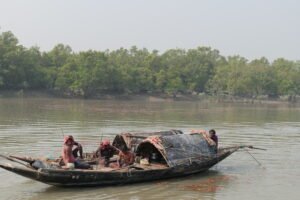
Human-wildlife conflict remains a major concern, with fishermen and forest workers often encountering tigers and crocodiles. Infrastructural limitations such as poor connectivity, inadequate healthcare, lack of higher education facilities, and scarcity of safe drinking water continue to hinder development. As a result, migration to urban areas is steadily rising.
Authorities and non-governmental organisations have initiated measures including embankment strengthening, promotion of eco-tourism, alternative livelihood programmes, and disaster management strategies to address these challenges.
Meanwhile, the Sundarbans is emerging as a key eco-tourism destination. Popular spots include Sundarbans National Park, Sajnekhali Wildlife Sanctuary, Sudhanyakhali Watch Tower, Dobanki Watch Tower, Netidhopani, Bonnie Camp and Jharkhali, attracting visitors with opportunities for wildlife viewing, birdwatching, and immersive forest experiences.

With eco-tourism gaining momentum in southern West Bengal, SundarbanMangroveTour.com has introduced a compact and affordable travel package aimed at promoting sustainable tourism in the Sundarbans.
The 3 Days and 2 Nights package offers tourists a chance to explore the world’s largest mangrove forest, known for its rich biodiversity and as the natural habitat of the Royal Bengal Tiger. The itinerary includes guided boat safaris through creeks and rivers, visits to key watchtowers, and close interaction with the region’s unique ecosystem.
According to the tour operator Raju Biswas, the package covers major attractions such as Sundarbans National Park, Sajnekhali Wildlife Sanctuary and Dobanki Watch Tower, offering visitors opportunities for wildlife spotting, birdwatching, and photography.
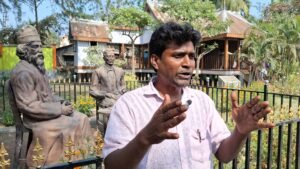
The organisers said the initiative not only focuses on tourism but also aims to support local communities by promoting cultural interactions and rural experiences. The package includes accommodation, meals, professional guides, and safety arrangements, ensuring a hassle-free journey for tourists.
With increasing interest in nature-based travel, operators believe such curated tours will help boost the regional economy while encouraging conservation awareness in the fragile delta region.
Bookings for the upcoming weekend tours are currently open through SundarbanMangroveTour.com 9800576710;8001379043;9593319673.

Experts emphasise that balancing conservation efforts with sustainable development remains crucial to preserving this ecologically sensitive region, where human survival and nature remain deeply interconnected.