Claims of a “World Emergency Alert” and mandatory stockpiling across 18 countries have sparked confusion online. What do the EU and UK guidelines actually say, and is India issuing a similar directive?
Screen N Stagez Digital Desk | October 29, 2026
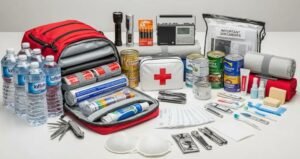
A sensational claim is circulating on social media that people across Europe have been instructed to stockpile food, drinking water and essential medicines for at least 72 hours. Some posts go further, claiming that an emergency alert has been issued across 18 countries, raising questions about whether Europe is preparing for an imminent war, military attack or major international crisis.
However, the actual picture is more nuanced. The recommendation to prepare for 72 hours of emergencies is genuine, but several claims circulating alongside it are misleading or remain unverified.
The European Union has introduced a preparedness strategy to help citizens and institutions respond to potential crises. The UK has also promoted emergency preparedness through its official “Be Ready” campaign, encouraging people to keep essential supplies at home. These initiatives should not, however, be interpreted as proof of an imminent attack or a continent-wide compulsory stockpiling order.
Why Is Europe Encouraging 72-Hour Emergency Preparedness?
In March 2025, the European Commission adopted its Preparedness Union Strategy, aimed at strengthening Europe’s ability to respond to a wide range of potential emergencies.
These include geopolitical tensions, cyberattacks, climate-related disasters, natural calamities and public health emergencies.
One of the strategy’s key recommendations is that households should be prepared to manage independently for at least 72 hours, or three days, during an emergency. Major disruptions can affect electricity, water supplies, transport, communications and the availability of essential goods.
The underlying principle is straightforward: citizens should have access to basic necessities while emergency services and public authorities respond to a crisis.
Official information is available through the European Commission’s civil protection and preparedness resources: https://civil-protection-humanitarian-aid.ec.europa.eu/what/civil-protection/preparedness_en
Importantly, this preparedness strategy does not, by itself, indicate that a particular war or attack is imminent.
What Does the UK’s ‘Be Ready’ Campaign Recommend?
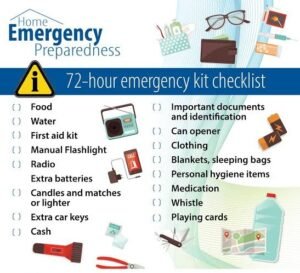
The UK’s official “Be Ready” campaign encourages people to prepare for emergencies by keeping essential supplies at home.
Recommended items include:
- Drinking water and long-lasting food.
- Essential medicines and first-aid supplies.
- A torch and spare batteries.
- A power bank for charging mobile phones.
- Important contact numbers and other emergency essentials.
The guidance recommends keeping sufficient supplies to meet basic needs for approximately three days. It also advises households to consider their individual circumstances and existing supplies when preparing.
The message is about sensible planning rather than panic buying. People do not need to rush to supermarkets or purchase excessive quantities of food and medicines.
Official UK guidance: https://beready.campaign.gov.uk/be-ready-for-emergencies/
Does This Mean Europe Is Preparing for War?
Europe faces a range of security challenges, including geopolitical tensions, cyber threats and the growing impact of extreme weather. These risks are among the reasons governments are strengthening emergency preparedness.
However, a general preparedness recommendation cannot be treated as confirmation of an impending war, an imminent military attack or a newly declared international emergency.
Emergency planning is designed to cover multiple possibilities, including severe storms, wildfires, prolonged power cuts, disruptions to digital payment systems and interruptions to supply chains.
Claims circulating online about a “World Emergency Alert” and a mandatory stockpiling order across 18 countries have not been substantiated by the official information cited in this report. Such claims should not be presented as established facts without reliable evidence.
What Is the Indian Government’s Position?
The viral reports have also raised questions about whether India is planning to introduce a similar 72-hour stockpiling requirement.
As of the preparation of this report, no verified official statement has been identified confirming that the Indian government has issued a nationwide mandatory directive requiring citizens to stockpile food, water and medicines for 72 hours in response to this specific viral claim.
India already has government-led systems for disaster management and emergency communication.
The Ministry of Home Affairs has supported the implementation of the Common Alerting Protocol (CAP), which enables emergency alerts to be distributed through designated communication channels. Cell Broadcast Alert systems are also used to deliver emergency warnings to mobile phones in relevant areas.
These systems are intended to help authorities communicate warnings about potential disasters and other emergencies, enabling people to take timely precautions.
Official information can be accessed through the Ministry of Home Affairs website:
- Common Alert Protocol: https://www.mha.gov.in/scheme/common-alert-protocol-cap-scheme
- Cell Broadcast Alert System: https://www.mha.gov.in/scheme/cell-broadcast-alert-system
However, India’s existing disaster-warning infrastructure should not be confused with a nationwide order to stockpile three days’ worth of supplies.
For confirmation of any new directive, citizens should consult official announcements from the Ministry of Home Affairs, the National Disaster Management Authority (NDMA) and the Press Information Bureau (PIB).
Preparedness, Not Panic, Is the Key Message
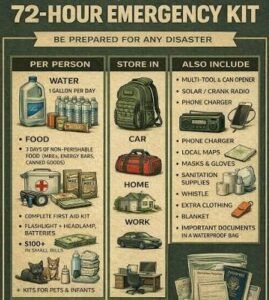
Keeping essential medicines, drinking water, non-perishable food, a torch and emergency contact details at home can be useful during a natural disaster or an unexpected disruption to essential services.
But preparedness does not mean panic buying or accumulating unnecessary quantities of supplies. Excessive purchasing can create avoidable shortages and inconvenience for other consumers.
The central message behind emergency preparedness guidelines is to help households remain self-sufficient during the initial stages of a crisis, while relying on verified information from official sources.
The Bottom Line
The recommendation to maintain essential supplies for 72 hours is part of genuine emergency preparedness initiatives in Europe and the UK. However, claims of a global emergency alert or a compulsory stockpiling order across 18 countries should not be accepted as fact without supporting official evidence.
In India, no verified nationwide order linked to this specific viral claim has been established in the information available for this report.
Screen N Stagez advises readers to verify sensational social media posts against official government announcements before sharing them. Stay informed, remain prepared and do not let unverified claims create unnecessary panic.
– By AG
Photo Source: Social Media