

Kathmandu: Nepal plunged into political turmoil on Tuesday as massive protests over corruption and a controversial ban on social media apps forced multiple ministers to resign, eventually pushing Prime Minister K P Sharma Oli to step down.
Despite earlier claims by senior leaders that the Prime Minister would not resign, Mr Oli succumbed to mounting public pressure and tendered his resignation late in the evening.
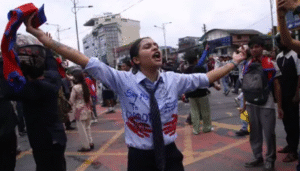

Protests Against Social Media Ban and Corruption
The unrest began after the government banned 26 social media platforms, citing non-compliance with registration norms. The move sparked anger among youths, who accused the government of curbing free speech. The protests soon intensified as demonstrators also raised their voices against widespread corruption.
Thousands of protesters, including students and young professionals, gathered across Kathmandu, Lalitpur, and Bhaktapur districts, defying curfews imposed by authorities. Demonstrators carried placards reading “Shut down corruption, not social media” and shouted slogans like “KP Chor, Desh Chhod” (K P Sharma Oli is a thief, quit the country).
Protesters also vandalised the residence of former Prime Minister Pushpa Kamal Dahal ‘Prachanda’ in Lalitpur, demonstrated outside Sher Bahadur Deuba’s home, and set ablaze President Ram Chandra Poudel’s residence.
Ministers Resign Amid Political Crisis
Several Cabinet ministers announced their resignations, saying it was no longer possible to defend the government.
- Home Minister Ramesh Lekhak (Nepali Congress) resigned on moral grounds after Monday’s deadly clashes.
- Agriculture Minister Ramnath Adhikari stepped down on Tuesday.
- Health Minister Pradeep Paudel said he would also resign, citing the government’s failure to address people’s grievances.
- Youth and Sports Minister Teju Lal Chaudhary and Water Minister Pradeep Yadav quit in solidarity with protesters.
- Legislator Asim Shah also resigned.
Congress leader Shekhar Koirala reportedly instructed his close ministers to resign from the coalition government, further isolating Oli.

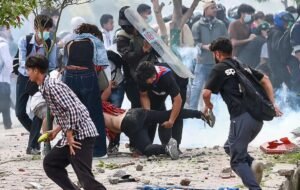
Government Response and Violence
Earlier in the day, former Chief Minister Prithvi Subba Gurung insisted that Oli would not resign, blaming political rivals for fuelling the protests. He said a Cabinet committee would investigate the violence and killings.
However, the situation spiraled as agitators blocked roads with burning tyres, clashed with police, and defied curfews.
What Triggered the Protests?
The protests began last Friday after Nepal banned 26 social media sites for failing to register with the government. The ban quickly escalated into a wider anti-corruption movement, largely driven by the youth, especially Gen Z demonstrators, who staged mass rallies in front of the Parliament.
Oli’s Last Appeal
Before his resignation, Oli appealed for peace and dialogue, urging protesters to stop violence. But with the Cabinet divided and streets boiling with anger, his government collapsed under unprecedented public pressure.
Photo Credit: Social Media