Drones are no longer just tech toys — they’re tools used in photography, agriculture, delivery, real estate, and even emergency response. But before you fly one, you need to follow certain rules set by aviation authorities. Here’s a simple and updated 2025 guide to drone regulations in India (DGCA rules) and the United States (FAA rules).
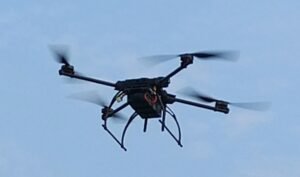
📌 DGCA Drone Rules in India (Updated 2025)
The Directorate General of Civil Aviation (DGCA) regulates drones in India. Here’s what you need to know:
✅ Registration & UIN
- All drones (except Nano drones under 250g) must be registered on the DigitalSky platform.
- You’ll receive a Unique Identification Number (UIN) for each drone.
✅ Remote Pilot License (RPL)
- Required for Medium (25-150kg) and Large drones (>150kg).
- For Micro (250g–2kg) and Small (2–25kg) drones, RPL is not required for non-commercial use.
- Training must be done at a DGCA-authorized drone training school.
✅ Flight Permissions
- All drones above Nano category need pre-flight approval via the DigitalSky app.
- Drones must be flown below 120 meters (400 ft) and only during daylight.
✅ No-Fly Zones
- Strictly avoid:
- Near airports
- Over military areas
- Within 5 km of international borders
- Over VVIP zones like Parliament or Rashtrapati Bhavan

✅ New 2025 Additions
- Night flying allowed with anti-collision lighting.
- BVLOS (Beyond Visual Line of Sight) flights permitted for approved sectors like delivery or agriculture.
- Penalties for non-compliance can include hefty fines or confiscation.
📌 FAA Drone Rules in the USA – 2025
In the U.S., drones are regulated by the Federal Aviation Administration (FAA).
✅ Registration
- All drones weighing 250g or more must be registered via the FAADroneZone website.
- Even drones under 250g must be registered if used commercially.
✅ Remote ID Requirement
- Remote ID (a digital license plate) is now mandatory for all drones flying in public airspace.
- Compliance deadline: March 2024, already in effect in 2025.
✅ Pilot Certification
- For recreational flying: Take the TRUST test (free online).
- For commercial use (under Part 107): Must pass the FAA Part 107 test.
✅ Flying Rules
- Max altitude: 400 feet
- Fly within visual line of sight
- Do not fly over people, moving vehicles, or restricted areas unless you have a waiver.
- Night flying is allowed with anti-collision lights.
✅ BVLOS and Waivers
- FAA has started granting BVLOS waivers for commercial services (e.g., Amazon Prime Air).
- Waivers must be applied for via FAA’s website.
🛑 Quick Safety Checklist
- ✔️ Check weather and airspace restrictions
- ✔️ Keep drone firmware updated
- ✔️ Respect privacy laws
- ✔️ Avoid crowded places and wildlife zones
Conclusion
Whether you’re in India or the USA, drone flying is fun and full of possibilities — but safety and legality come first. With the updated rules in 2025, hobbyists and professionals alike must stay informed and fly responsibly. Always check local authorities and stay updated through DGCA’s DigitalSky portal (India) or FAA.gov (USA).